
Skin Cancer Surgery
Surgery is the most common and effective treatment for nonmelanoma skin cancer (NMSC), including basal cell carcinoma and squamous cell carcinoma. Because NMSC rarely spreads to other parts of the body, the tumor can often be completely removed with surgery alone. When performed by a skilled and experienced surgeon, surgical treatment of NMSC has a cure rate approaching 95%.
The goal of skin cancer surgery is to remove all cancerous tissue while preserving as much healthy skin as possible and minimizing any scarring. In addition to the lesion, the surgeon will usually remove a slim margin of surrounding skin to help reduce the risk of cancer recurrence and promote long-term healing.
ACS Surgical Quality Partner for 30+ Years
Continuously Accredited by the American College of Surgeons Commission on Cancer since 1989 for our commitment to providing comprehensive, high-quality and multispecialty patient-centered care.
What are the types of skin cancer surgery?
Nonmelanoma skin cancer can often be treated with advanced surgical techniques that aim to remove the lesion and restore the appearance of the skin. The physician will determine the best approach after evaluating the type, size and location of the tumor. Options may include:
Mohs micrographic surgery
Mohs surgery, offered in conjunction with the USF Department of Dermatology, is considered the most effective treatment for basal cell carcinoma and squamous cell carcinoma. This precise technique is performed in stages during a single visit, with the patient remaining on-site between each stage.
During the procedure, the surgeon will remove a thin layer of suspicious tissue, which will be immediately examined under a microscope by a pathologist. This step is critical, as some NMSC tumors have extensions that are not visible on the surface of the skin. If the pathologist finds cancerous cells in the excised tissue, the surgeon can pinpoint their exact location and remove another thin layer from that specific area while preserving as much healthy tissue as possible. The process is repeated until no cancer cells remain.
Because Mohs surgery offers complete cancer removal with minimal impact on surrounding skin, it is often recommended for nonmelanoma skin cancers in highly visible or delicate areas of the body, such as the face, ears and neck.
Standard surgical excision
Excisional surgery is one of the most common and effective treatments for both melanoma and nonmelanoma skin cancers. During this procedure, the surgeon will remove the tumor along with a small margin of surrounding healthy tissue to help ensure complete cancer removal. The excised tissue will be sent to a laboratory, where a pathologist will examine it under a microscope to confirm that all cancerous cells have been successfully removed (“clear margins”).
Standard surgical excision can be an excellent option for a small to moderate lesion that can be completely removed in a single procedure. This straightforward treatment is typically curative and involves minimal downtime.
Electrodessication and curettage
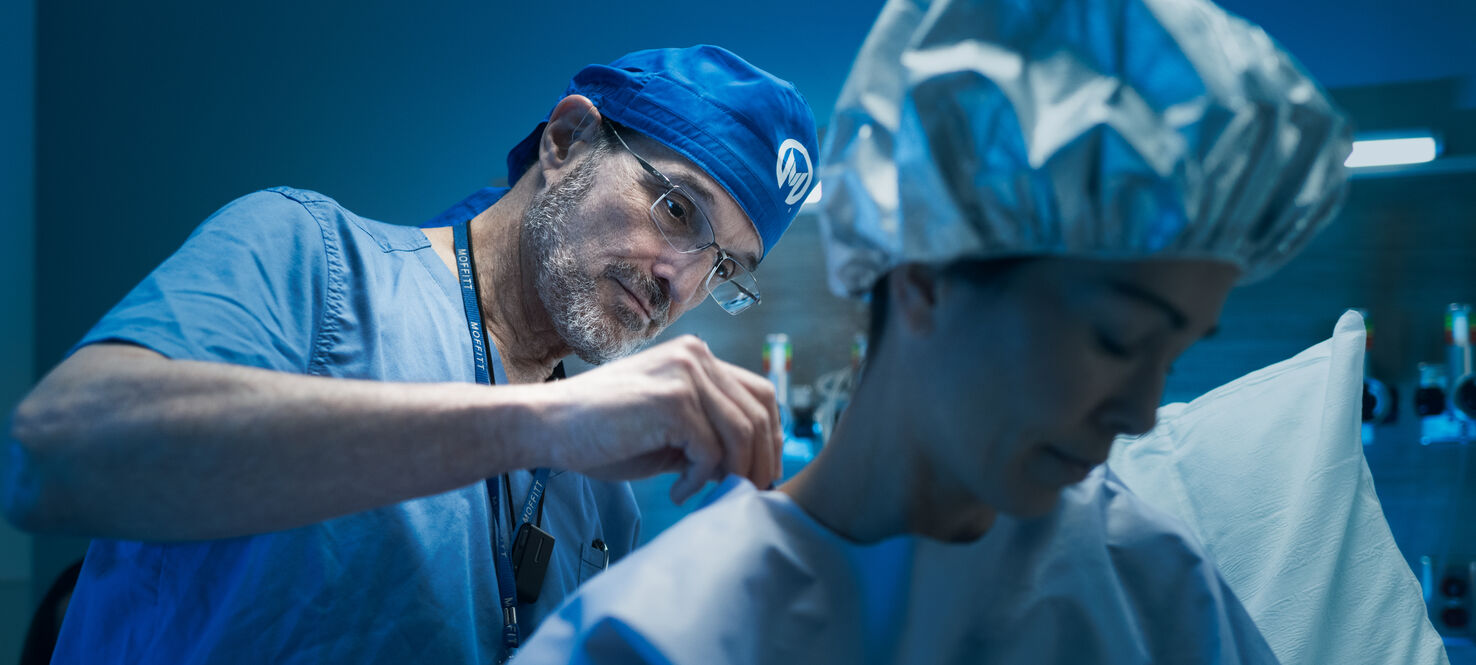
Electrodessication and curettage (ED&C) is a common, minimally invasive treatment for superficial nonmelanoma skin cancer. After numbing the area with a local anesthetic, the physician will use a sharp, spoon-shaped instrument (curette) to gently scrape away the visible cancer cells. Using an electric needle, the physician will then cauterize the base of the treated area to destroy any remaining cancerous tissue and control the bleeding.
While traditional skin cancer surgery, such as Mohs micrographic surgery, may offer a superior cosmetic result, ED&C can be an effective option for removing a small lesion located in a less visible area of the body.
Cryosurgery
Cryosurgery, also known as cryotherapy, uses a freezing agent—typically liquid nitrogen—to destroy abnormal or cancerous skin cells. The rapid freeze-and-thaw process causes the targeted cells to die and gradually shed from the skin over time.
This minimally invasive treatment is most effective for precancerous lesions and superficial nonmelanoma skin cancer. Cryosurgery may be an ideal option for treating a small or hard-to-reach lesion where more invasive treatment is unnecessary.
Dermabrasion
Dermabrasion uses a special rotating brush or polishing granules to gently remove the outer layer of skin. While this technique is not a primary or standard treatment for nonmelanoma skin cancer, it may be used to:
- Treat a precancerous lesion, such as actinic keratosis
- Smooth the skin after tumor removal
- Improve scarring from a previous procedure
More common treatments, such as surgical excision and Mohs micrographic surgery, are generally preferred for treating NMSC.
Oncologic plastic and reconstructive surgery
After skin cancer surgery to remove a tumor, oncologic plastic and reconstructive surgery can help restore both the function and appearance of the treated area. Using advanced reconstructive techniques, the surgeon can rearrange or transfer nearby tissue to close the wound and minimize scarring. This approach can help the patient heal both physically and emotionally, improving the cosmetic outcome as well as the patient’s overall quality of life.
Who is a good candidate for skin cancer surgery?
Skin cancer surgery is suitable for most people diagnosed with nonmelanoma skin cancer, such as basal cell carcinoma or squamous cell carcinoma. Typically, surgical treatment is recommended when the tumor is localized and can be completely removed while preserving healthy tissue and normal function.
The patient may be a good candidate for skin cancer surgery if:
- The cancer is confined to one area of the body and has not spread to lymph nodes, other nearby tissues or distant organs.
- The tumor can be safely removed without significantly affecting movement or appearance.
- The patient is in good overall health and able to undergo a minor procedure.
- The patient has a recurrent skin lesion that did not fully respond to previous treatment, such as topical therapy or radiation therapy.
- The patient is seeking a long-term, definitive treatment option with a high cure rate.
For a patient with a more advanced or aggressive form of skin cancer, surgery may still be an option, particularly if it is combined with other treatments, such as radiation therapy, immunotherapy or targeted therapy. To determine the optimal treatment approach, the physician will carefully evaluate the patient’s diagnosis, medical history and treatment goals.
Ranked a Top Cancer Hospital in Nation
Moffitt is ranked 16th in the nation and is the top-ranked cancer hospital in Tampa and central Florida in Newsweek's “America's Best Cancer Hospitals."
What are the potential benefits of skin cancer surgery?
Surgery is considered the gold standard treatment for nonmelanoma skin cancer, offering both medical and cosmetic benefits. When working with a skilled surgeon who utilizes today’s advanced surgical techniques, the patient can expect a precise result, minimal recovery time and lasting peace of mind.
The primary benefits of skin cancer surgery include:
- High cure rate – Surgical removal of the tumor offers the greatest likelihood of completely eliminating the cancer cells, especially for basal cell carcinoma and squamous cell carcinoma.
- Immediate result – The cancerous tissue will be removed during the procedure, allowing for a prompt evaluation and peace of mind.
- Preservation of healthy tissue – Precise surgical techniques, such as Mohs micrographic surgery, remove only the affected tissue, helping to maintain the natural appearance and function of the treated area.
- Customized treatment – Surgery can be tailored to the size, depth and location of the tumor, ensuring the best balance between effectiveness and aesthetics.
- Reconstructive options – If needed after tumor removal, plastic and reconstructive surgery can help restore the appearance and integrity of the skin.
Beyond the physical result, the patient may experience a significant emotional benefit in knowing the tumor has been completely removed. With proper follow-up care and skin monitoring, surgery can offer both long-term cancer control and confidence in recovery.
How to prepare for skin cancer surgery
After deciding to move forward with skin cancer surgery, proper preparation can help ensure a smooth experience and successful recovery. Although the physician will provide the patient with personalized preoperative instructions, general preparation steps for skin cancer surgery include:
- Medical review – When meeting with the surgeon to plan the procedure, the patient should share details about their current medications, including prescription drugs, over-the-counter remedies, vitamins and supplements, as well as any prior surgeries, skin treatments and allergies, especially to anesthesia or antibiotics.
- Medication adjustments – Based on the results of the preoperative medical review, the physician may advise the patient to pause certain medications, such as blood thinners and anti-inflammatories, to reduce the risk of excessive bleeding and other complications.
- Postoperative planning – The patient should understand the physician’s postoperative instructions regarding wound care and arrange for any necessary supplies ahead of time.
- Transportation – The patient may need (or prefer) to have a family member or friend drive them home after the procedure, especially if sedation will be used.
What to expect after skin cancer surgery
Skin cancer surgery is often performed on an outpatient basis, allowing most patients to go home the same day. Afterward, the patient can expect:
- Mild discomfort, swelling or redness at the surgical site
- Wound care and activity restrictions
- Follow-up visits to monitor healing and remove sutures, if applicable
- Pathology results to confirm that all cancerous tissue was successfully removed
If reconstructive surgery was performed, the physician will also offer guidance on scar management and cosmetic healing.
What are the risks and potential complications of skin cancer surgery?
Although skin cancer surgery is generally safe and effective, possible side effects include:
- Temporary pain, swelling, numbness or tenderness in the treated area
- Bleeding or infection at the surgical site
- Scarring or changes in skin texture
Benefit from world-class care at Moffitt Cancer Center
Moffitt’s skin cancer specialists perform a high volume of skin cancer surgeries every year, providing our patients with access to unmatched expertise and outcomes. After surgery, we offer ongoing follow-up and surveillance programs to detect any signs of recurrence as early as possible, helping our patients maintain their long-term health and peace of mind.
To request an appointment with a specialist in the Cutaneous Oncology Program at Moffitt, call 1-888-663-3488 or submit a new patient registration form online. We do not require referrals.
Helpful links:
Treatment