
Chemotherapy for Leukemia
Leukemia is a cancer that originates in the blood-forming cells in the bone marrow, a spongy tissue found in the center of most bones. The cancer begins with a mutation in the DNA of a bone marrow cell, causing it to produce abnormal white blood cells that grow uncontrollably and crowd out healthy blood cells. The resulting cellular imbalance can cause anemia, interfere with blood clotting and impair the function of the body’s immune system. Symptoms can include fatigue, frequent infections, easy bleeding, unexplained bruising, swollen lymph nodes and persistent fever.
Blood cancer can arise quickly (acute) or develop slowly (chronic). In addition to its rate of progression, leukemia can be categorized based on the affected blood cell lineage. The four main types are:
- Acute myeloid leukemia (AML) – Begins in immature myeloid cells (myeloblasts)
- Acute lymphocytic leukemia (ALL) – Begins in immature lymphoid cells (lymphoblasts)
- Chronic myeloid leukemia (CML) – Begins in mature myeloid cells
- Chronic lymphocytic leukemia (CLL) – Begins in mature lymphoid cells, typically B-lymphocytes
While leukemia affects people of all ages, certain types are more prevalent in specific age groups. For example, ALL is most common in children, while CLL typically affects adults older than 55. Overall, leukemia accounts for about 3% of all cancers, with thousands of new cases diagnosed annually in the United States alone.
For many patients, chemotherapy is a cornerstone of leukemia treatment, although the precise approach can vary based on the type and stage of the cancer.
What does chemotherapy for leukemia involve?
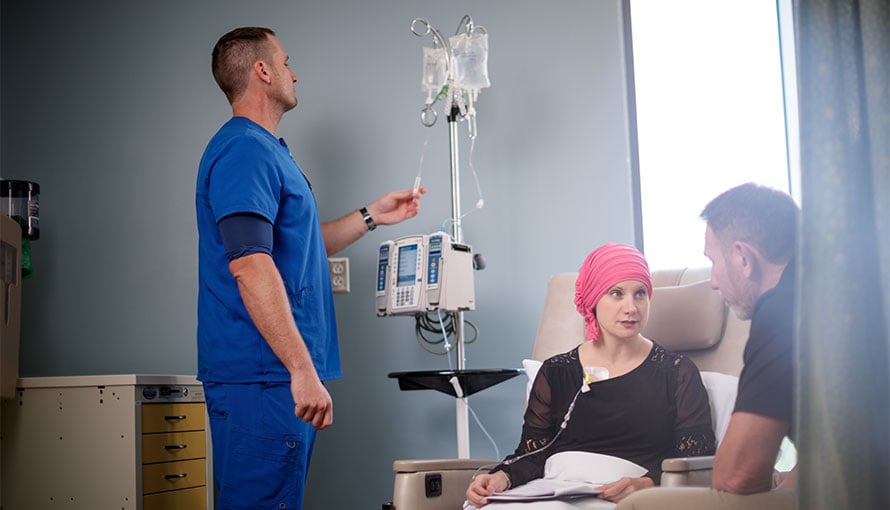
Chemotherapy for leukemia uses a customized blend of powerful medications to fight cancer systemically. The treatment is designed to enter the bloodstream and circulate throughout the body to target and destroy rapidly dividing cells, including abnormal white blood cells in the bone marrow.
Depending on the specifics of the treatment plan, chemo may be administered intravenously, orally or via injection. Additionally, it can be given as a standalone treatment or combined with CAR T-cell therapy, immunotherapy or bone marrow transplantation for heightened effectiveness.
 Florida's First NCI-designated Comprehensive Cancer Center
Recognized for its scientific excellence, Moffitt is the state's longest-established National Cancer Institute-designated Comprehensive Cancer Center.
What happens during chemotherapy for leukemia?
Typically, chemotherapy for leukemia has several phases, which may include:
Induction therapy
For many types of leukemia, induction chemotherapy is the first phase of treatment. The goal is to induce cancer remission by rapidly reducing the number of cancerous cells in the blood and bone marrow. Most patients receive a tailored combination of anthracycline, doxorubicin and cytarabine, which is given intravenously in several sessions scheduled over four to six weeks. Some patients receive multiple rounds of induction therapy before achieving remission.
While induction therapy can be highly effective, this intensive treatment can significantly weaken the immune system and lead to low blood cell counts, temporarily increasing the risk of infection and other complications. Therefore, this phase of chemotherapy for leukemia usually requires hospitalization.
The success of induction chemotherapy is critical for setting the stage for the next phases of leukemia treatment, such as consolidation therapy and maintenance therapy, which aim to eliminate any remaining cancer cells and prevent leukemia recurrence.

Rated High Performing in Leukemia, Lymphoma & Myeloma
Schedule an AppointmentConsolidation therapy
Also known as post-remission therapy, consolidation therapy is often the second phase of chemotherapy for leukemia, which follows successful induction therapy that achieved cancer remission. Usually, this phase involves a high dose of cytarabine administered in four cycles to target any remaining leukemia cells that could cause a relapse.
Depending on the type of leukemia and the overall health of the patient, post-remission chemotherapy may be combined with other treatments, such as targeted therapy, immunotherapy or bone marrow transplantation. Although this phase of chemotherapy for leukemia can be rigorous, it is a critical step in ensuring durable cancer remission and achieving the best possible outcome and quality of life.
Maintenance therapy
The final phase of treatment for certain types of leukemia, such as ALL, maintenance therapy aims to prevent the cancer from returning and maintain remission over the long term. Compared to induction therapy and consolidation therapy, maintenance therapy is less aggressive, typically involving a lower dose of chemotherapy drugs administered on a prescheduled basis.
The final phase of chemotherapy for leukemia can last for several months to years, depending on the type of leukemia and the specifics of the treatment plan. Because it can significantly reduce the likelihood of cancer relapse, maintenance therapy is often a critical component of the overall treatment strategy, particularly for pediatric leukemia patients.
Central nervous system (CNS) prophylaxis
A specialized phase of chemotherapy for leukemia, CNS prophylaxis is designed to prevent or treat the spread of cancer cells to the brain and spinal cord. Certain types of leukemia, such as ALL, carry a higher risk of invading the CNS, making prophylaxis an essential part of treatment. Unlike standard systemic chemotherapy, which cannot effectively reach the CNS due to the blood-brain barrier, this phase of chemotherapy for leukemia involves a targeted approach, such as injecting drugs directly into the cerebrospinal fluid (intrathecal chemotherapy), high-dose systemic chemotherapy or cranial radiation therapy.
The goal of CNS prophylaxis is to eliminate hidden leukemia cells in the CNS and reduce the risk of cancer relapse in this critical area of the body. This phase of chemotherapy for leukemia may be initiated during induction therapy or consolidation therapy and is often repeated periodically throughout the overall treatment process.
What are the risks and possible complications of chemotherapy for leukemia?
Chemotherapy for leukemia carries several risks and potential complications, mainly because it indiscriminately targets rapidly dividing cells and cannot differentiate between cancerous and healthy cells. When healthy cells are affected by chemo, side effects may include fatigue, nausea, vomiting, hair loss and mouth sores. Chemotherapy also weakens the immune system by reducing the number of white blood cells in the body, which can increase the risk of infection.
Other possible complications of chemotherapy for leukemia include anemia, easy bleeding and bruising (due to low platelet counts) and damage to vital organs, such as the liver, kidneys and heart. Long-term risks include infertility, secondary cancers and lasting cognitive or neurological effects. With supportive care and close monitoring, it is often possible to mitigate these risks and enhance the safety and effectiveness of the treatment.
What to expect during recovery from chemotherapy for leukemia
During recovery from chemotherapy for leukemia, the patient can expect a gradual reduction in side effects along with an increase in energy levels as their body heals. Blood cell counts, which are often low during treatment, typically begin to return to normal, helping to restore immunity and improve overall well-being. That said, some effects of chemotherapy may linger, such as fatigue and mild cognitive difficulties (“chemo brain”).
The recovery timeline can vary depending on the intensity of the chemotherapy, the type of leukemia and the overall health of the patient. Follow-up care, including regular medical checkups and blood work, will be essential to monitor the patient’s progress, check for signs of cancer relapse and address any long-term side effects. Supportive care, along with a nutritious diet and light physical activity, can promote healing and enhance the patient’s quality of life.
How effective is chemotherapy for leukemia?
Chemotherapy can be effective for many types of leukemia, particularly when incorporated into a comprehensive treatment strategy tailored to the specific leukemia subtype. When used for acute leukemia, such as ALL or AML, chemo successfully induces remission in many patients, with long-term survival rates continually improving as treatment advances through research. For chronic leukemia, such as CLL or CML, chemo is often used in combination with other treatments, such as targeted therapy, for enhanced efficacy. Overall, chemotherapy is a mainstay of leukemia treatment and a critical tool in managing the cancer and achieving remission.
Benefit from world-class care at Moffitt Cancer Center
Moffitt has a single lifesaving mission: to contribute to the prevention and cure of all types of cancer, including leukemia. Based in Tampa, Florida, we have been ranked in the top 1% of cancer hospitals by U.S. News & World Report. We are also proud to be one of only 57 National Cancer Institute-designated Comprehensive Cancer Centers, a distinction that recognizes our scientific excellence, multidisciplinary research and robust clinical trials portfolio.
If you have questions about leukemia treatment, you can request an appointment with a specialist in the Malignant Hematology Program at Moffitt by calling 1-888-663-3488 or submitting a new patient registration form online. Chemotherapy for leukemia is available at all Moffitt locations, and we do not require referrals.