
Chemotherapy for Invasive Ductal Carcinoma
Invasive ductal carcinoma is the most common type of breast cancer. The tumors originate in the milk ducts, which are thin tubes that carry milk from the milk-producing glands (lobules) to the nipple.
If left untreated, invasive ductal carcinoma cells may break through the ductal wall and invade the surrounding breast tissues. If cancerous cells enter the bloodstream or lymphatic system, they can travel throughout the body and reach distant organs and tissues.
Often detected through a mammogram and confirmed with a biopsy, early-stage invasive ductal carcinoma is highly treatable. While the optimal treatment strategy can vary based on the stage and characteristics of the tumor, a common approach involves the surgical removal of the tumor (lumpectomy) followed by radiation therapy to destroy any remaining cancer cells and help prevent a recurrence.
Systemic treatments, such as chemotherapy, hormone therapy and targeted therapy, may be considered for addressing advanced-stage invasive ductal carcinoma.
What does chemotherapy for invasive ductal carcinoma involve?
Chemotherapy involves the use of powerful cancer-fighting medications, which may be administered intravenously or taken by mouth. After entering the bloodstream, the drugs circulate throughout the body to target and destroy rapidly dividing cells, such as cancer cells.
Chemo is delivered in cycles, which consist of a period of treatment followed by a period of rest. The rest allows the body time to recover from the treatment and produce healthy new cells.
A complete chemotherapy regimen is made up of several cycles. A cycle might consist of a chemotherapy delivery session every day for a week followed by three weeks without treatment.
The number of cycles in a chemotherapy regimen and the total time it takes to complete the regimen can vary depending on the chemo medications used. Most regimens take three to six months to complete.
 The Only Florida-based NCI-designated Comprehensive Cancer Center
Recognized for its scientific excellence, Moffitt is the only National Cancer Institute-designated Comprehensive Cancer Center based in Florida.
What happens during chemotherapy for invasive ductal carcinoma?
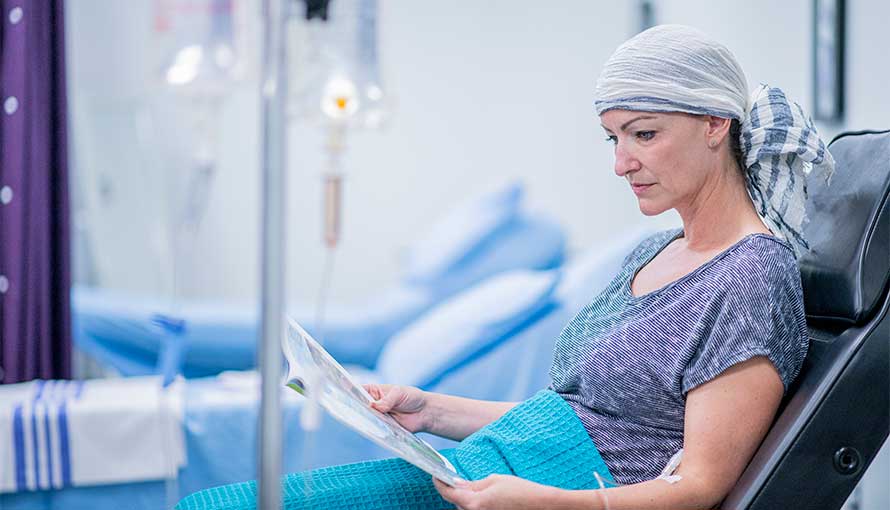
Chemotherapy is usually administered in a hospital, infusion center or physician’s office, although some oral chemo medications can be taken at home. During each in-office chemotherapy delivery session, a healthcare professional will typically:
- Check and record the patient’s blood pressure, pulse, temperature, respiration rate, height and weight (this information is needed to calculate the correct medication dose).
- Place a soft, flexible tube (IV line) in a vein in the patient’s arm or hand, unless the patient already has a catheter or port in place.
- Obtain a blood sample taken through the IV, port or catheter to check the patient’s blood counts.
- Perform a brief physical examination.
- Order the amount of medication needed for the treatment.
- Deliver fluids to promote hydration.
- Deliver pre-chemotherapy medications to help prevent nausea and allergic reactions.
- Start the infusion process, which can take up to several hours to complete.
- Remove the IV line (if applicable) when the chemotherapy session is complete.
- Check the patient’s heart rate, blood pressure and breathing.
- Discuss possible side effects and explain how to manage them.
The patient may prefer to wear loose, comfortable, warm clothing to each session. Some potentially useful items to bring include a blanket, a sweater, socks, a refillable water bottle, books, a journal, a sketchpad, needlework, headphones or earbuds and a laptop or tablet with movies, podcasts, audiobooks and/or music downloads.
What are the risks and possible complications of chemotherapy for invasive ductal carcinoma?
Chemotherapy drugs are very powerful and highly effective at targeting and destroying fast-growing cells, such as cancer cells. In the process, however, chemo can sometimes damage healthy cells that are naturally fast-growing, such as cells in the hair follicles, bone marrow and digestive tract. This can lead to side effects, which often resolve after the treatment is finished.
Common short-term side effects of chemotherapy for invasive ductal carcinoma include:
- Hair loss
- Fatigue
- Nausea and vomiting
- Loss of appetite
- Constipation or diarrhea
- Mouth sores
- Skin and nail changes
- Increased risk of infection
- Nerve damage (neuropathy)
- Impaired cognitive function (“chemo brain”)
What to expect during recovery from chemotherapy for invasive ductal carcinoma
After completing chemotherapy for invasive ductal carcinoma, the patient can generally expect a return to normalcy, although it can take up to 12 months. During that time, the side effects should slowly improve and ultimately resolve, but the fatigue and weakness may linger a bit longer. A gradual return to normal activities, incorporating gentle exercises and physical therapy as recommended, can help the patient regain strength and energy. During regular follow-up appointments, the healthcare team will monitor the patient’s progress and check for long-term side effects and signs of cancer recurrence.
How effective is chemotherapy for invasive ductal carcinoma?
Chemotherapy is generally effective for treating invasive ductal carcinoma, especially when used as part of a comprehensive treatment plan. Its effectiveness can vary based on factors such as the stage and hormone receptor status of the tumor and the presence of specific genetic markers.
Chemo may be particularly beneficial for advanced-stage invasive ductal carcinoma that has spread from the breast duct where it originated to other parts of the body. While not all patients respond the same way, chemotherapy has significantly improved the outcome and quality of life for many patients with invasive ductal carcinoma.
Benefit from world-class care at Moffitt Cancer Center
At Moffitt, the multispecialty team in our renowned Don & Erika Wallace Comprehensive Breast Program takes a highly individualized approach to breast cancer treatment. In addition to the specific characteristics of your tumor, such as its location, stage and whether it is HER2-positive, we will take into account your age, overall health and preferences when developing your treatment plan. If appropriate, our breast cancer specialist can make it possible for you to receive carefully timed chemotherapy during pregnancy or while preserving your ability to become pregnant and breastfeed in the future.
If you have questions about chemotherapy for invasive ductal carcinoma, you can request an appointment with a specialist at Moffitt by calling 1-888-663-3488 or submitting a new patient registration form online. We do not require referrals.

Treatment