What To Expect During a Colonoscopy
A colonoscopy is a procedure used to diagnose gastrointestinal diseases, including colorectal cancer.
Colorectal cancer screening is recommended to begin at age 45 for those considered to be at average risk. In some instances, individuals should start screening earlier if they are experiencing symptoms or have certain risk factors.
Risk factors for colorectal cancer include the following:
- Tobacco use
- Alcohol use
- Obesity
- Diabetes
- History of inflammatory bowel disease
- Specific genetic syndromes
- Family history of polyps or colon cancer
Although each case varies, common symptoms of colorectal cancer include:
- Blood in stool
- Changes in bowel movements
- Abdominal pain
- Weight loss
Jacklyn Diaz, a nurse practitioner at Moffitt Cancer Center, explains what patients can expect before, during and after a colonoscopy procedure.
Before the Procedure
Patients are brought back into a pre-operative bay. Here, patients will meet with a nurse who will check vital signs and start an IV. Patients will then meet the anesthesia provider, who will go over the anesthesia portion of the procedure, and the gastroenterologists will review medical history and discuss procedure prep. The patient will then sign consent forms.
During the Procedure
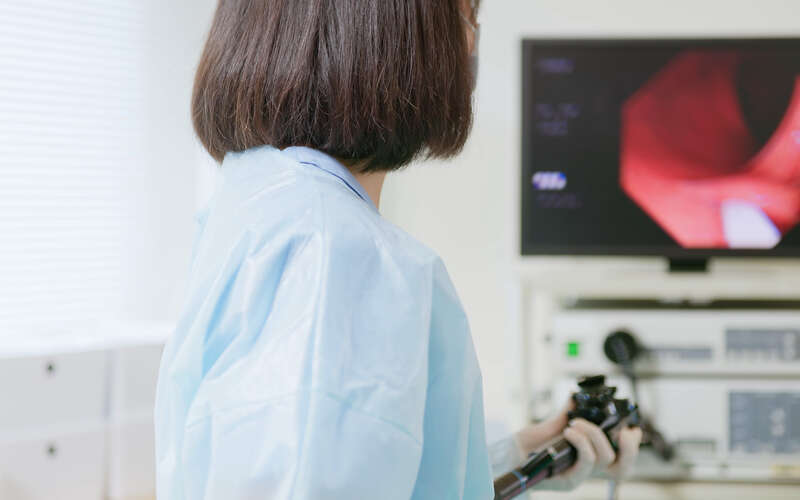
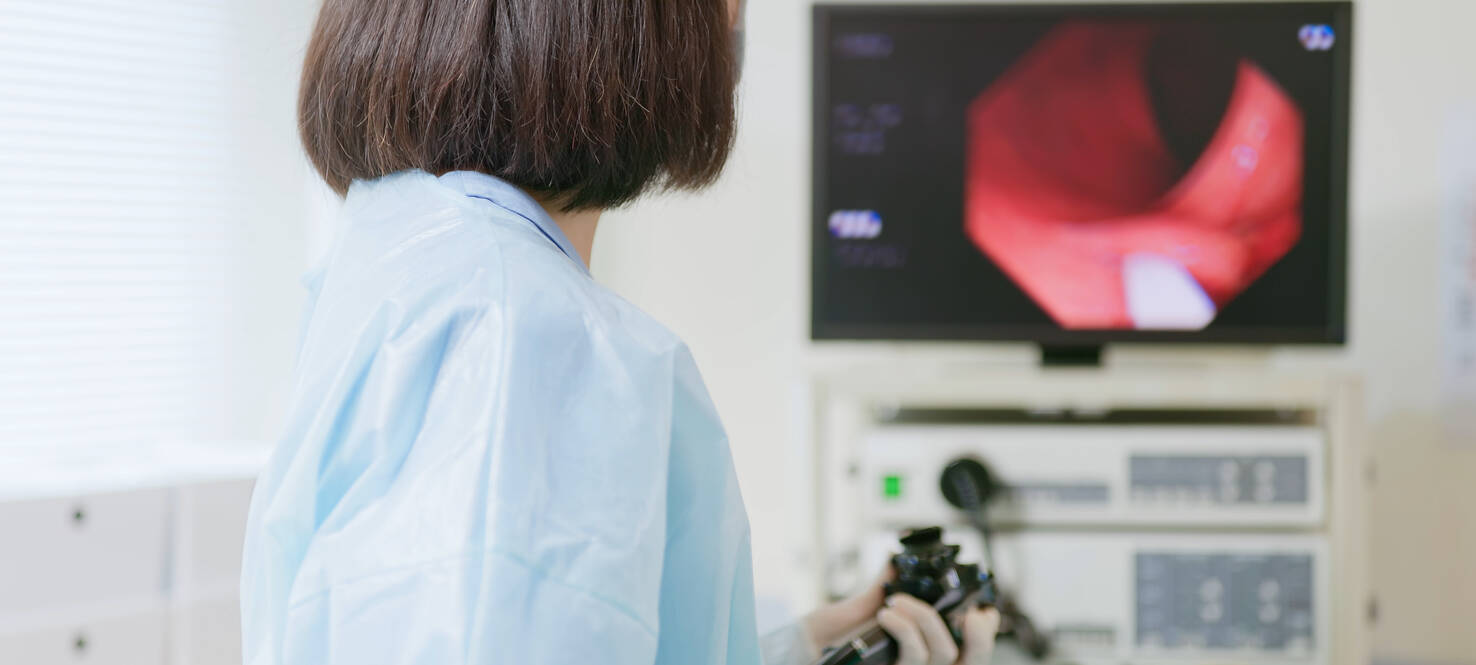
Patients are brought into a procedure room where they will have a circulating nurse, an anesthesia provider, a gastroenterologist and a gastrointestinal technician in the room. The procedure takes about 30 to 45 minutes. During the procedure, a scope will be used to look inside the patient’s colon, looking for inflammation, signs of cancer and polyps.
Recovery
Recovery after the procedure is about 30 to 45 minutes. Patients’ vital signs will be monitored. During this time, the gastroenterologists will also review any findings from the procedure.
What to keep in mind after completing a colonoscopy
- Plan a ride home post procedure
- It’s normal not to have a bowel movement immediately or for a few days
- Diarrhea or loose stool can occur for a few days post-procedure
- Any findings are sent to pathology, where they will be reviewed