
Kate Middleton Limits Alcohol Since Her Cancer Diagnosis
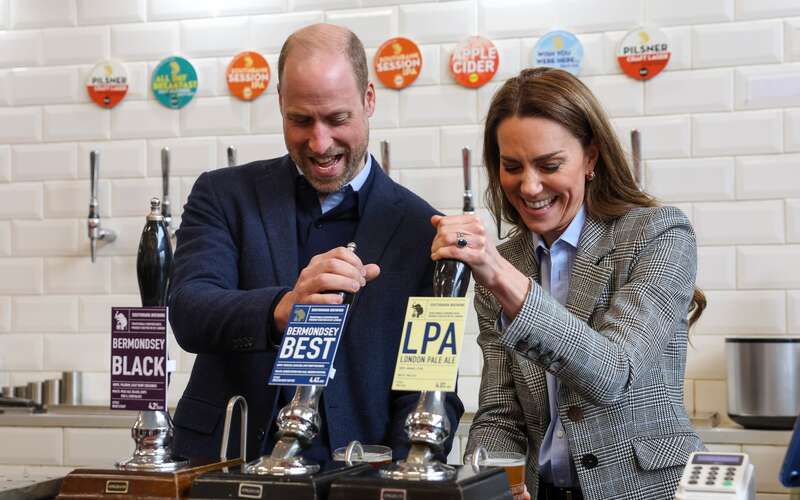
Kate Middleton, the Princess of Wales, says her cancer diagnosis has made her more cautious of drinking alcohol. While touring a beer hall recently with Prince William, Kate, 44, says she doesn’t drink much alcohol anymore.
“Since my diagnosis, drinking alcohol is not really something ... it’s just something I have to be a lot more conscious of now,” she said in a video of the event.
In March 2024, Kate revealed that she had been diagnosed with cancer after a planned abdominal surgery. She cut back on her royal duties and started chemotherapy. By January 2025, she announced that she was in remission.
Alcohol and Cancer Risk
In 2020, about 750,000 cases of cancer globally were attributed to drinking alcohol, according to a study in The Lancet Oncology.
-

750,000
Number of global cancer cases in 2020 attributed to drinking alcohol
Drinking alcohol increases your risk of cancer, according to the American Cancer Society. It is the third most common modifiable risk factor for developing cancer after cigarette smoking and excess body weight.
Alcohol can raise your cancer risk by:
- Damaging your body tissues
- Changing how the body absorbs or removes harmful chemicals
- Reducing the ability to absorb nutrients
- Raising the level of estrogen and other hormones
- Contributing to weight gain
Several types of cancer have been linked to alcohol use including breast, colon and rectum, esophagus, liver, mouth, stomach, throat and voice box.
Philippe Spiess, MD, a genitourinary oncologist at Moffitt Cancer Center, says about 5% of all cancers are alcohol related and 4% of cancer-related deaths are associated with alcohol consumption. Why?
Alcohol is considered a level 1 carcinogen, or inflammatory agent, associated with causing changes in cells that contribute to cancer, Spiess says. It can double or triple your risk of developing cancer.
What Can I Do?
The American Cancer Society says it’s best not to drink alcohol. For those who choose to drink, the recommended limit is no more than two drinks per day for men and one drink per day for women. Women are smaller and tend to break down alcohol more slowly, contributing to a smaller recommended limit.
One serving is considered 12 ounces of beer, 5 ounces of wine or 1.5 ounces of 80-proof liquor.

“Many people consider alcohol something social, and many people who drink socially have a minimal risk of alcohol causing cancer,” Spiess said. “But that risk is meaningful if you are a heavy alcohol consumer. It can increase your risk of obesity, heart disease and cancer.”
Drinking less alcohol during cancer treatment, as well as after a cancer diagnosis, also has benefits. Reducing your alcohol intake while undergoing radiation therapy can improve outcomes, Spiess says. He also points to studies that show that reducing or stopping alcohol consumption dramatically decreases the risk of secondary cancers for those who have colorectal, head and neck and liver cancers.