

‘Find a Purpose’: Patient Shares Lessons From Cancer Journey
Key Takeaways:
- Cancer treatment can take a significant mental and emotional toll, with patients facing anxiety, depression and financial stress
- Social workers provide support as patients navigate difficult emotions, seek support and take their journey one step at a time
- William Sheer credits support from Moffitt Cancer Center staff and his dog with helping him stay positive through treatment
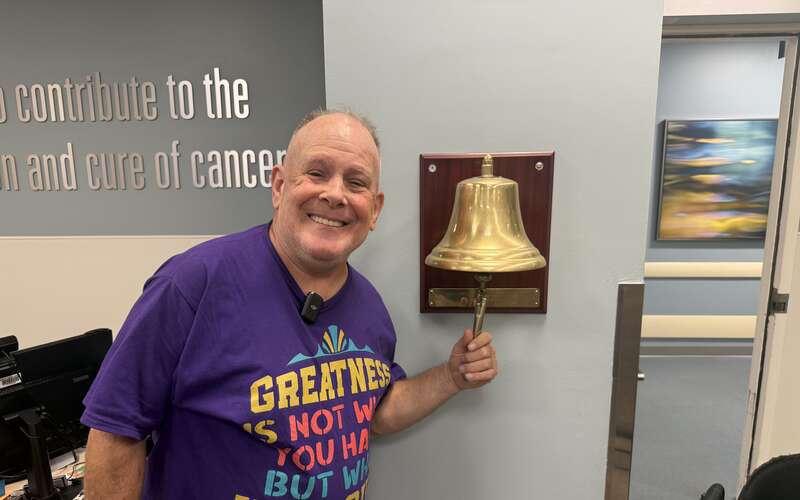
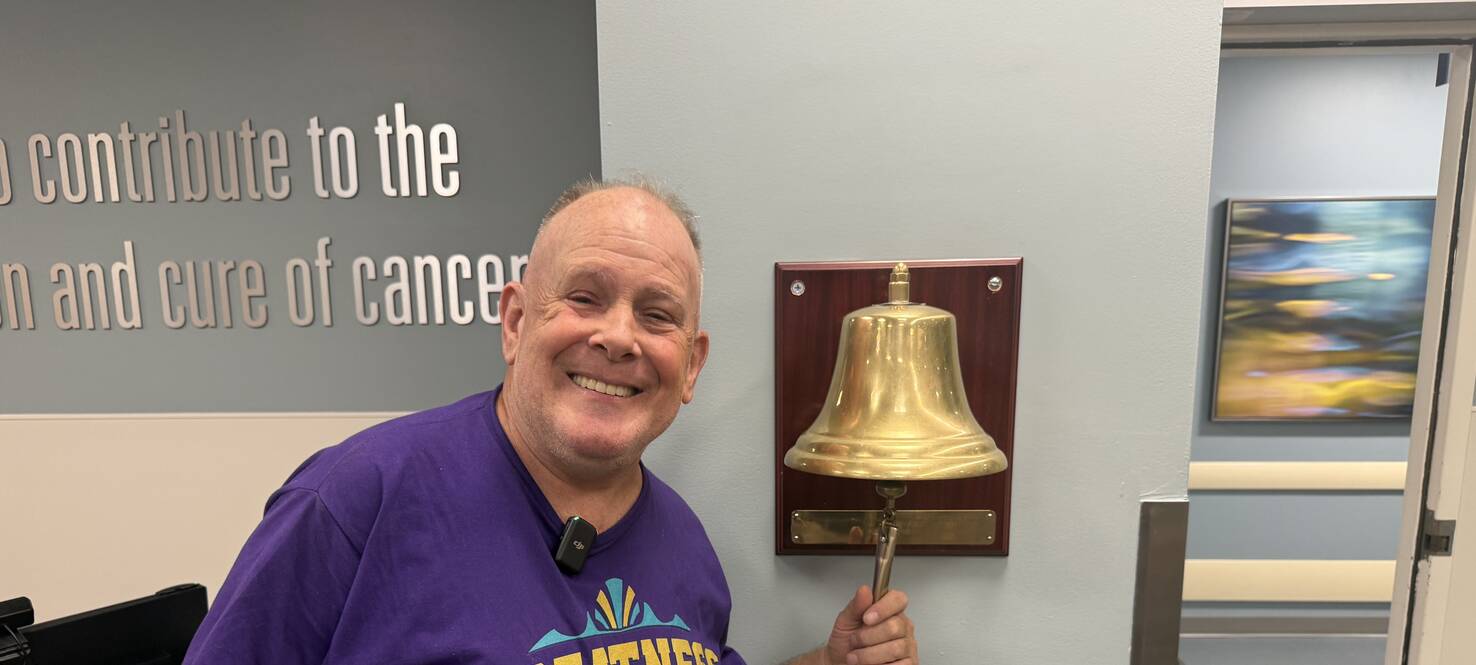
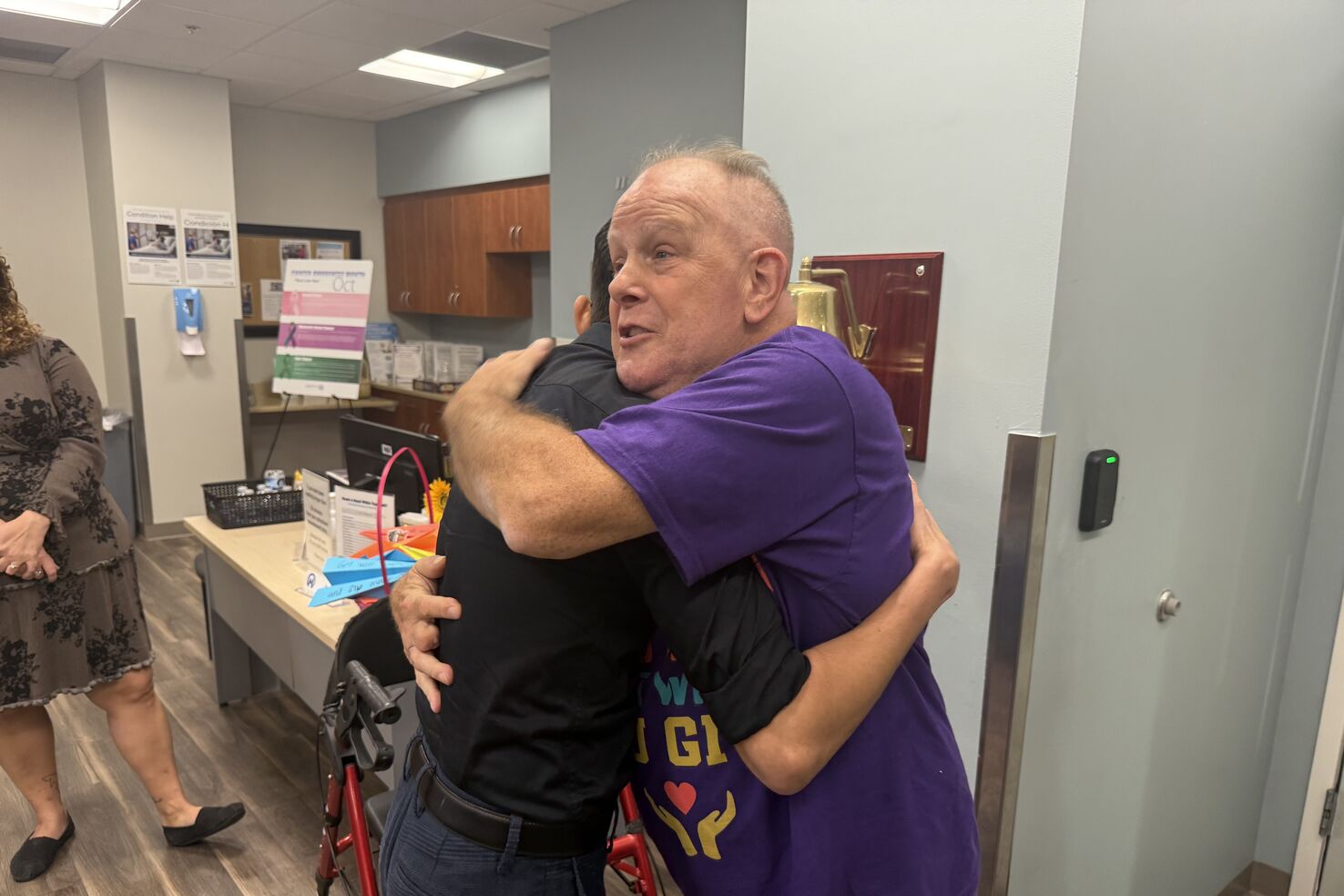
One year after being diagnosed with cancer, William Sheer rang the bell at Moffitt Cancer Center’s radiation oncology lobby with pride.
“These are all people that not only treated me well, but cared about me,” Sheer said.
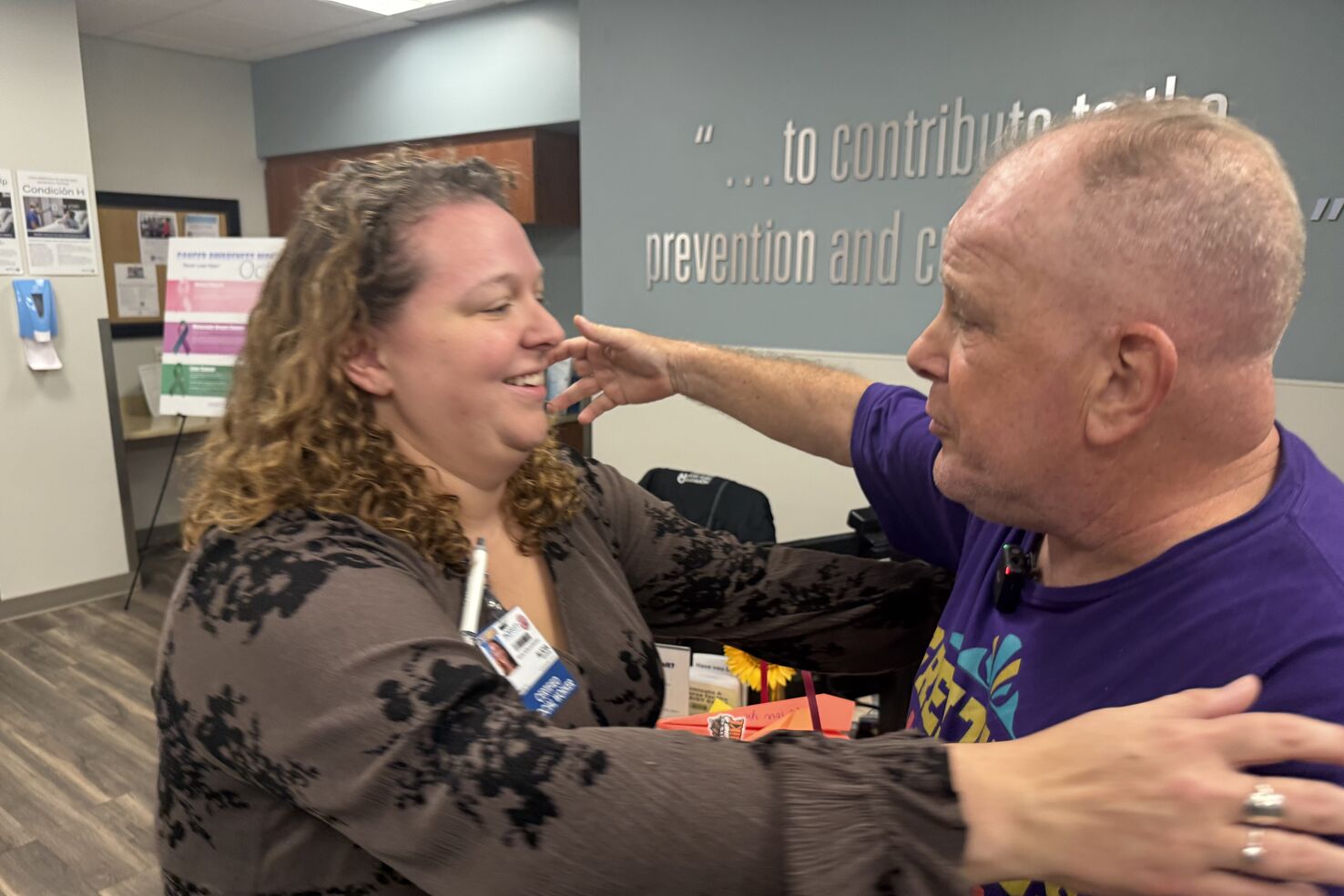
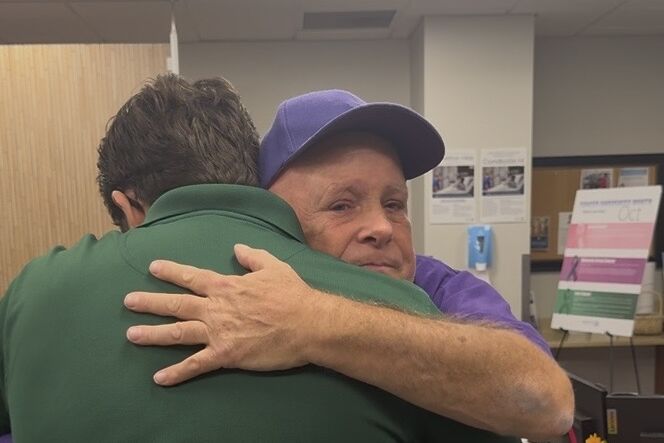
Hugs with members of the radiation oncology, social work and patient experience teams followed, along with a few tears.
The celebration marked the end of a difficult year and the beginning of what Sheer describes as a second lease on life.
Cancer Journey
After undergoing chemotherapy and radiation as part of his lung cancer treatment, Sheer says the financial, emotional and mental strain that can accompany a cancer diagnosis can be challenging. However, the support he received throughout his care helped him maintain a positive outlook.
Now in remission, he hopes other patients can seek the support they need throughout their cancer journeys and draw strength from it.
“I can’t begin to express to you what a positive attitude does for you,” Sheer said.
After a pulmonologist ordered a CT scan because of his chronic obstructive pulmonary disease, emphysema and breathing difficulties, Sheer was diagnosed with small cell lung cancer last September.
Despite the four-hour drive between his home in Boca Raton and Moffitt, he says the support he received made the journey worthwhile and helped him maintain optimism. From the doctors and nurses to the registration staff, Sheer says the people he encountered made him feel welcomed and cared for.
“Without the support services, none of this would be possible,” Sheer said.
Other Challenges in Cancer Care
A cancer diagnosis can bring a range of emotions. Adjusting to changes in physical and mental health can be overwhelming, and some patients may experience anxiety or depression during their cancer journey.

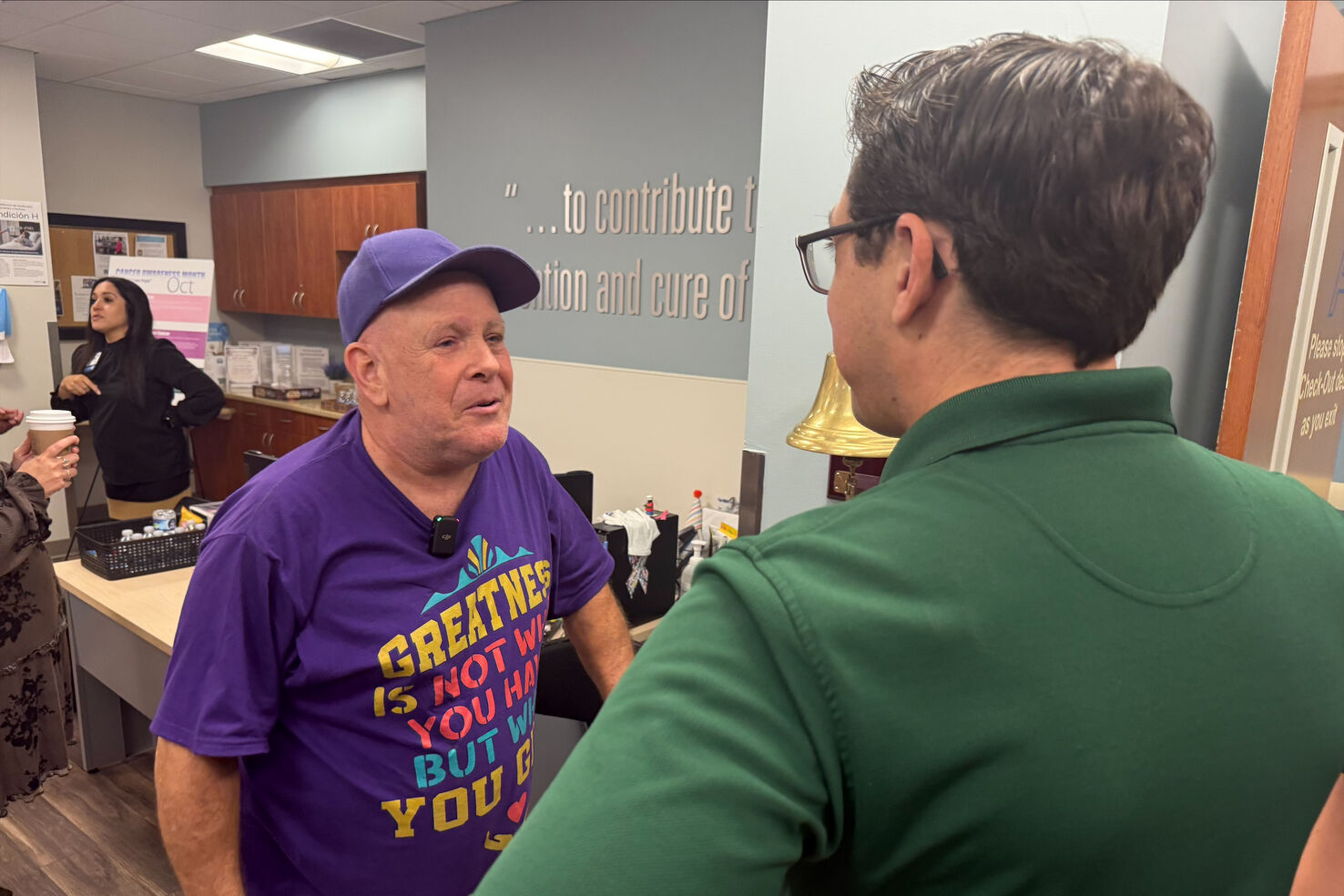
Sheer says his social worker Alicia Wlodynski was an important source of support throughout his journey.
The mental toll of a diagnosis can be significant.
Financial stress, transportation and finding a place to stay can add another layer of anxiety during an already difficult time, says Alicia Wlodynski, an outpatient social worker at Moffitt.
“Sometimes you have to let yourself have a bad moment and then take a deep breath and then you go to the next thing,” Wlodynski said.
Loved ones can take that extra step by simply listening to family members undergoing cancer treatment. Rather than trying to fix the situation, giving patients space to talk openly about what they’re experiencing can help them feel heard and supported.
Wlodynski also encourages patients to take their journey one step at a time and seek additional support when needed, whether through a therapist or mentor.
It is important for patients to recognize symptoms that could indicate they need professional help. Symptoms of depression can include:
- Loss of pleasure or interest in activities you used to enjoy
- Changes in eating and sleeping habits
- Feelings of worthlessness or guilt
- Difficulty concentrating
A Reason to Keep Going
For Sheer, finding that next step meant finding a reason to keep going.
During treatment, his dog Zeki became a major source of motivation. He said the thought of his dog waiting for him at home helped him stay focused during the long drives between Boca Raton and Tampa and through the challenges of treatment.
He encourages other patients to find something that gives their own journey meaning.
“Find a purpose. Give it some meaning. Keep a positive attitude. Trust in the system. Trust in your doctors,” Sheer said.
Social workers at Moffitt Cancer Center are available to talk with patients who are struggling to adjust to their diagnosis through counseling and connections to support resources.
Social workers also assist patients with other concerns, such as talking with children about a diagnosis and navigating changes to relationships. If you are having thoughts of suicide, immediate help is available by calling or texting 988.
