
Thyroid Cancer Treatment
Thyroid cancer begins in the thyroid gland, a small, butterfly-shaped organ at the base of the neck that produces hormones to help regulate body temperature, metabolism and heart rate. Cancer occurs when thyroid cells undergo harmful genetic changes that disrupt their normal growth patterns, causing the cells to multiply uncontrollably and form tumors.
Although the exact cause of thyroid cancer is not always known, certain factors may increase the risk, such as radiation exposure, especially during childhood, and certain inherited conditions, such as multiple endocrine neoplasia (MEN) syndromes. The condition affects more women than men and is often diagnosed between the ages of 30 and 60. Overall, thyroid cancer is relatively uncommon, but diagnoses continue to increase in the United States, largely due to improved detection methods.
There are four main types of thyroid cancer, each with distinct characteristics:
- Papillary thyroid cancer is the most common, accounting for the majority of cases. Although it typically grows slowly and may spread to nearby lymph nodes, it is highly treatable, especially when detected early.
- Follicular thyroid cancer is the second most common type. Although it tends to grow quickly and can potentially spread through the bloodstream to distant areas of the body, such as the lungs and bones, it is often treatable when diagnosed at an early stage.
- Medullary thyroid cancer is relatively uncommon, arising in specialized thyroid cells known as C cells. In some cases, the cancer is linked to an inherited genetic syndrome and can be more complex to manage than other types.
- Anaplastic thyroid cancer is rare but highly aggressive. Often characterized by rapid tumor growth and spread, this type of thyroid cancer generally requires a more intensive, multimodal treatment approach.
Many people with thyroid cancer do not experience symptoms in the early stages. When symptoms do occur, they may include a lump or swelling in the neck, difficulty swallowing, vocal hoarseness and persistent coughing unrelated to a cold. Because the thyroid is located near structures involved in speaking and swallowing, both the condition and its treatment can sometimes affect these functions. Treatment can vary depending on the type and stage of the cancer, as well as the patient’s overall health. Options may include:
Surgery for thyroid cancer
Surgery is the main treatment for most thyroid tumors. The extent of the procedure—and how much of the thyroid is removed—can vary based on the size and location of the tumor and whether it has spread. In some cases, partial removal of the thyroid is sufficient, while in others, the entire gland must be removed to fully treat the cancer.
In general, surgery may be considered if:
- A definitive diagnosis or staging information is needed
- The tumor is confined to the thyroid and surrounding structures
- The cancer is causing disruptive symptoms

Common surgical procedures include:
- Thyroid lobectomy – Removes one lobe of the thyroid to treat a well-differentiated tumor, such as papillary or follicular cancer that has not spread beyond the gland
- Thyroidectomy – Removes part or all of the thyroid gland
- Central neck exploration and lymph node dissection – Checks for cancer spread to nearby lymph nodes and removes the affected nodes
- Lateral neck dissection – Removes lymph nodes and fatty tissues in the neck to treat lymphatic metastases
General risks of any surgery include bleeding, infection and anesthesia-related reactions. Specific risks of thyroid surgery include vocal changes due to nerve injury, difficulty swallowing, low calcium levels (if the parathyroid glands are affected) and the need for thyroid hormone replacement therapy. While many of these changes are temporary, some patients may experience longer-term effects depending on the extent of the procedure.
Radioactive iodine therapy (RAI) for thyroid cancer
RAI therapy is frequently used after surgery for certain types of thyroid tumors, particularly papillary and follicular cancer. This unique treatment approach takes advantage of the thyroid gland’s natural ability to absorb iodine, allowing for the targeted delivery of radiation to thyroid cancer cells while sparing most healthy tissues.
Radioactive iodine therapy may be considered to address:
- Microscopic thyroid cancer cells that may remain after surgery
- Cancer that has spread beyond the thyroid gland
- A thyroid tumor that has returned after initial treatment
 Florida's Largest NCI Cancer Center
Recognized as a leader in cancer excellence, Moffitt is the state's largest National Cancer Institute-designated Comprehensive Cancer Center by cancer patient volumes.
RAI uses a radioactive isotope, I-131, which is swallowed in a capsule or liquid form. After entering the bloodstream, I-131 can travel throughout the body to destroy widespread thyroid cancer cells. For heightened treatment effectiveness, a high level of thyroid-stimulating hormone (TSH) may be used to encourage the thyroid cells to absorb more iodine. To prepare for treatment, the patient may be advised to stop taking thyroid hormone medication (if applicable) and follow a low-iodine diet for a few weeks.
Side effects of radioactive iodine therapy for thyroid cancer may include dry mouth, altered taste, nausea and temporary swelling of the salivary glands. In some cases, tear production or fertility may be affected as well.
Hormone therapy for thyroid cancer
Thyroid hormone suppression therapy is often a standard component of care following thyroid cancer surgery. In many cases, it is a long-term or lifelong treatment, particularly after total thyroidectomy. In addition to restoring normal hormone levels, hormone therapy aims to suppress thyroid-stimulating hormone (TSH), which can promote the growth of any remaining cancer cells if left unchecked.
Hormone therapy may be considered if:
- The thyroid gland was partially or completely removed
- There is a need to reduce the risk of cancer recurrence
For thyroid cancer, the most commonly prescribed medication is levothyroxine. Because maintaining the appropriate dosage is critical, the patient will require periodic blood testing to monitor TSH and thyroid hormone levels. The healthcare team will also continually assess the patient’s symptoms, imaging results and tumor markers, such as thyroglobulin, to help detect any signs of recurrence early.

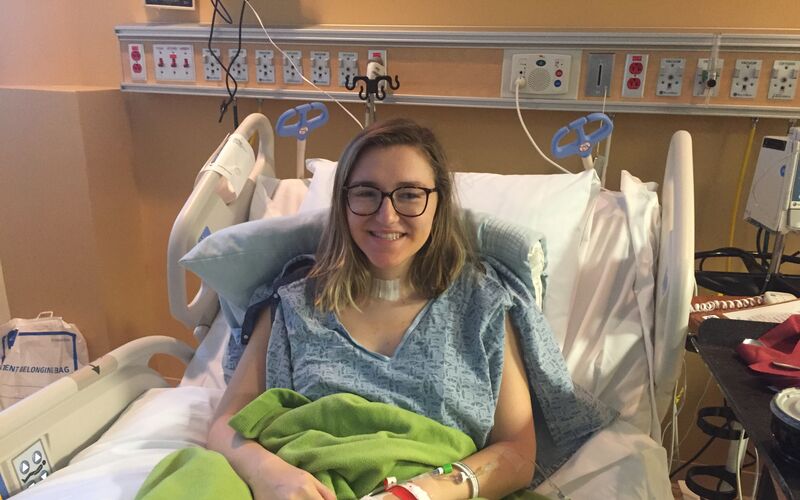
"I just knew Moffitt's reputation, and I knew that when you had cancer that's where you want to go."
Sarah, Thyroid Cancer Survivor
Request an AppointmentIf hormone levels are not well-balanced, the patient may experience side effects. For example, excess thyroid hormone (over-suppression) can lead to symptoms such as heart palpitations, anxiety, unintended weight loss and an increased risk of bone thinning (osteoporosis), while insufficient hormone levels may result in fatigue, weight gain, sensitivity to cold and slowed metabolism. For these reasons, careful dose adjustments and routine follow-up care are essential to ensure both effective cancer control and overall well-being.
Radiation therapy for thyroid cancer
External beam radiation therapy (EBRT) may be used in select thyroid cancer cases, particularly those involving an aggressive or advanced tumor. This localized treatment uses an external machine (linear accelerator) to deliver high-energy beams precisely to the cancer cells while sparing the surrounding healthy tissues.
EBRT for thyroid cancer may be considered if:
- The tumor cannot be completely removed surgically
- The cancer does not respond to radioactive iodine therapy
- The risk of cancer recurrence is high
External radiotherapy delivery techniques include:
- Intensity-modulated radiation therapy (IMRT) – Uses advanced computerized planning software to adjust the intensity of the radiation beams, allowing for precise targeting of the tumor while minimizing exposure to nearby healthy tissues
- Proton therapy – Utilizes proton particles to deliver radiation directly to the tumor with little to no exit dose, helping to reduce damage to the surrounding structures and lower the risk of treatment side effects
- Stereotactic body radiation therapy (SBRT) – Delivers a very high dose of radiation in one or a few treatment sessions, often used for well-defined tumors and areas of the body requiring pinpoint accuracy
During or after radiation therapy for thyroid cancer, the patient may experience fatigue, skin irritation in the treated area, difficulty swallowing or vocal hoarseness. Long-term side effects can include changes in thyroid function, which can lead to hypothyroidism and may require lifelong hormone replacement therapy. Symptoms of hypothyroidism include fatigue, weight gain, sensitivity to cold and slow metabolism.
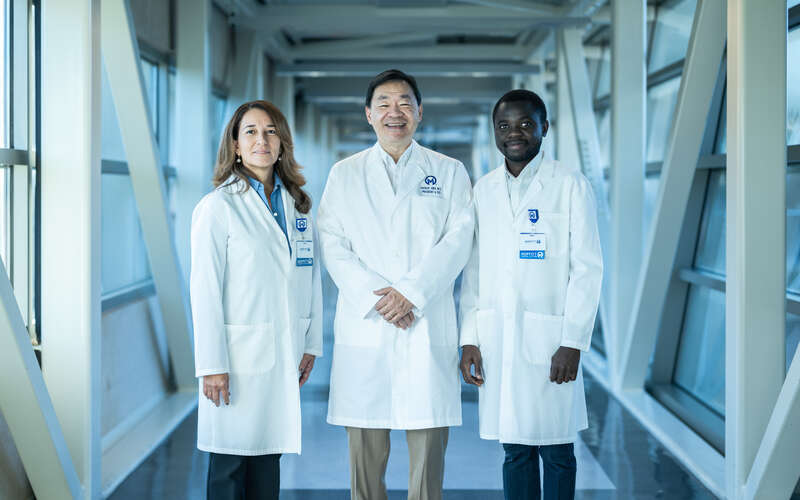
Ranked a Top Cancer Hospital in Nation
Moffitt is ranked 16th in the nation and is the top-ranked cancer hospital in Tampa and central Florida in Newsweek’s “America’s Best Cancer Hospitals."
Targeted therapy for thyroid cancer
Targeted therapy is designed to interfere with the specific molecular pathways or genetic alterations that contribute to cancer growth and progression. Unlike traditional chemotherapy, which affects both cancerous cells and healthy cells that naturally divide rapidly, targeted agents act more selectively, helping to slow tumor growth and, in some cases, shrink tumors. Many targeted treatments work by inhibiting the proteins involved in tumor cell signaling or blocking the formation of new blood vessels that tumors need to grow (angiogenesis).
In general, targeted therapy for thyroid cancer may be considered if:
- The tumor has specific genetic mutations or molecular markers
- Standard treatments, such as surgery and RAI, are inappropriate or no longer effective
- The cancer has spread to other parts of the body or has come back after initial treatment
Examples of targeted therapy drugs used for thyroid cancer treatment include:
- Cabozantinib – Used for advanced medullary and other thyroid cancers, particularly after disease progression following prior radioactive iodine or systemic therapy
- Lenvatinib – Targets multiple pathways involved in tumor progression and is commonly used for RAI-refractory differentiated thyroid cancer
- Sorafenib – A tyrosine kinase inhibitor that blocks tumor cell growth and blood vessel formation in advanced thyroid cancer
- Vandetanib – Often used for medullary thyroid cancer, targeting specific genetic mutations in RET, a gene that helps control cell growth
Side effects of targeted therapy for thyroid cancer can vary depending on the specific medication and individual patient factors. Common experiences include high blood pressure, diarrhea, fatigue, decreased appetite and skin changes, such as rash or hand-foot syndrome. Some patients may also experience more serious side effects, including liver function abnormalities and cardiovascular issues. For these reasons, close monitoring through regular follow-up visits and lab tests is essential during treatment.
Chemotherapy for thyroid cancer
Chemotherapy is not routinely used for most thyroid tumors, particularly well-differentiated types such as papillary and follicular thyroid cancer. However, it may play a role in treating more advanced or aggressive forms, including anaplastic thyroid cancer, or in cases that no longer respond to other therapies.
Chemotherapy works by using potent systemic drugs to destroy rapidly dividing cells or slow their growth. It is typically administered intravenously and may be used alone or in combination with other treatments, such as radiation therapy, for enhanced effectiveness.
In general, chemotherapy for thyroid cancer may be appropriate if:
- The tumor is rapidly progressing
- Other treatments, such as surgery, radioactive iodine therapy and targeted therapy, are ineffective
- The cancer has spread from the thyroid to distant areas of the body (metastatic disease)
- The tumor is aggressive and requires prompt systemic treatment
Common chemotherapy drugs used in thyroid cancer treatment include:
- Doxorubicin – One of the most frequently used agents for advanced thyroid cancer, sometimes combined with other therapies
- Paclitaxel – Often used for aggressive or anaplastic thyroid cancer, either alone or in combination with additional drugs
Because chemotherapy affects both cancerous cells and healthy cells that naturally divide rapidly, it can damage normal tissues and cause a range of side effects. These may include nausea, vomiting, fatigue, hair loss, decreased appetite and an increased risk of infection due to low white blood cell counts. Some patients may also experience anemia, easy bruising or bleeding and overall weakness. Throughout treatment, the patient will be closely monitored by the healthcare team to help manage any symptoms and maintain quality of life.
Immunotherapy for thyroid cancer
Immunotherapy is an emerging treatment option that can help the immune system find and attack cancer cells more effectively. It works by boosting the body’s natural defenses and exposing cancer cells that might otherwise go undetected. One common type, known as immune checkpoint inhibitors, essentially “lifts the brakes” on the immune system so it can mount a stronger response to cancer.
Although immunotherapy is not yet a standard treatment for most thyroid tumors, it is currently under study and may be used in select cases, particularly for advanced or treatment-resistant cancer. Most often, it is offered through clinical trials or in specific situations where other therapies are ineffective.
Immunotherapy for thyroid cancer may be appropriate if:
- The tumor is aggressive or no longer responding to conventional treatments
- The cancer has progressed despite surgery, radioactive iodine therapy or targeted therapy
- The patient would like to participate in a clinical trial and meets the eligibility criteria
Because immunotherapy activates the immune system, it can sometimes trigger an attack on healthy tissues, which may cause side effects such as fatigue, skin rash and flu-like symptoms. Some patients may also develop inflammation in organs such as the lungs (pneumonitis), liver (hepatitis), intestines (colitis) or endocrine glands, which may require prompt medical management. Careful monitoring is essential to identify and address these effects early.
Clinical trials for thyroid cancer
Clinical trials are carefully designed research studies that evaluate the effectiveness of new treatments, drug combinations or therapeutic approaches to improve outcomes for cancer patients. These studies play a critical role in advancing the standard of care, particularly for individuals with advanced, recurrent or treatment-resistant cancer, where treatment options may be limited.
Thyroid cancer clinical trials may investigate novel targeted therapies, immunotherapies, innovative radiation delivery techniques or new ways to combine existing treatments for greater effectiveness. Participation is always voluntary and conducted under strict safety protocols.
Potential benefits of clinical trial participation include:
- Access to promising new therapies that are not yet widely available
- Close monitoring and support from a multispecialty team
- An opportunity to contribute to ongoing research that may benefit future patients
Eligibility for a clinical trial is determined based on several factors, including the specific type and stage of thyroid cancer and the patient’s prior treatments, overall health and other clinical criteria. The healthcare team can help the patient identify appropriate clinical trial opportunities and guide them through the enrollment process.
Frequently asked questions (FAQs) about thyroid cancer treatment
Patients often have questions about what to expect during and after thyroid cancer treatment. The answers below address some of the most common concerns.
Do I need to have my entire thyroid removed?
Not necessarily. In some cases, particularly when the tumor is small or low-risk, a thyroid lobectomy may be sufficient. This procedure involves removing only one side (lobe) of the thyroid gland. On the other hand, a total thyroidectomy may be necessary if the tumor is large, aggressive or has spread.
What is radioactive iodine therapy and how does it work?
RAI therapy uses a radioactive form of iodine that is absorbed by thyroid cells. Once inside the cells, it releases radiation that can destroy cancerous tissues while minimizing damage to other parts of the body.
Will I need to take thyroid medication for the rest of my life?
Many patients, especially those who undergo total thyroidectomy, require lifelong thyroid hormone replacement therapy. In addition to helping maintain normal bodily functions, hormone therapy can help reduce the risk of cancer recurrence.
How will thyroid cancer treatment affect my voice and swallowing?
Because the thyroid is located near several important nerves and structures, surgery and radiation therapy may temporarily affect voice quality or swallowing. Most changes gradually improve over time, although the effects may be long-lasting in some cases.
Are there long-term health risks associated with thyroid hormone suppression?
Long-term hormone suppression can increase the risk of certain side effects, such as heart rhythm changes and bone thinning. For this reason, hormone levels will be carefully monitored and adjusted to balance effectiveness and safety.
Benefit from world-class care at Moffitt Cancer Center
At Moffitt, our patients can benefit from comprehensive, individualized care delivered by a nationally recognized team of experts. As a National Cancer Institute (NCI)-designated Comprehensive Cancer Center, Moffitt meets rigorous standards for excellence in research, treatment and education, placing us among the top cancer centers in the United States.
Moffitt’s renowned Endocrine Oncology Program brings together specialists across multiple disciplines. These experienced professionals develop highly personalized treatment plans using the latest advances in cancer care, including a robust portfolio of clinical trials. With a focus on precision medicine, advanced technologies and supportive services, we are committed to achieving the best possible outcome and quality of life for every patient.
If you would like to learn more about thyroid cancer treatment, you can request an appointment with a specialist in the Endocrine Oncology Program at Moffitt by calling 1-888-663-3488 or submitting a new patient registration form online. We do not require referrals.
Helpful Links:
Treatment